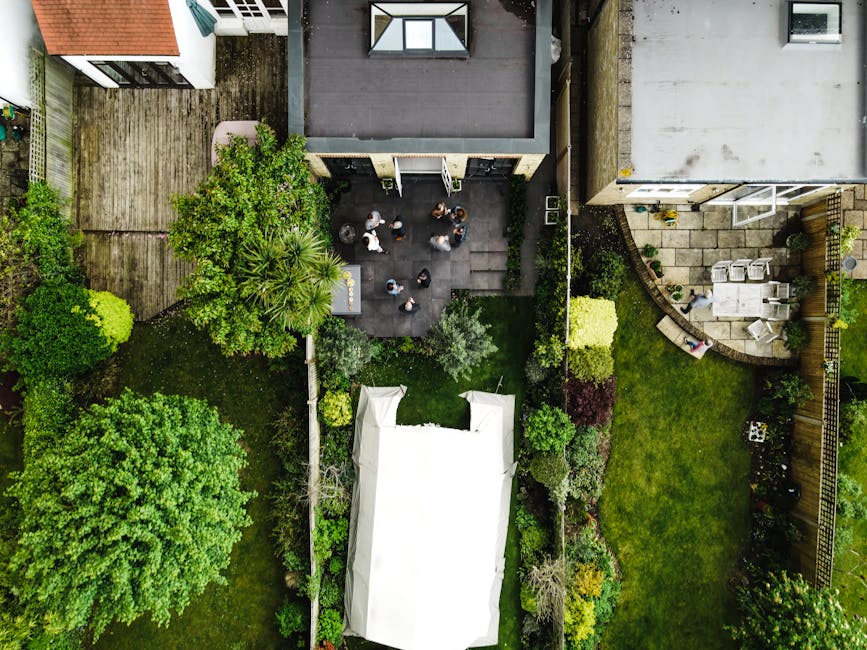
Best gardeners in Ruislip for small back gardens
Small back gardens can be brilliant. They are easier to enjoy, quicker to care for, and full of potential if they are designed and maintained properly. But let's face it: a compact Ruislip garden can also become cramped, messy, and oddly high-maintenance if the planting, layout, and upkeep are not thought through with care. That is why choosing the Best gardeners in Ruislip for small back gardens matters more than most people realise. The right gardener will not just "tidy things up"; they will make the space feel usable, balanced, and calm, even if you only have a modest patch behind the house.
This guide breaks down how to choose the right gardener, what small-garden specialists actually do, where the value is, and how to avoid the common mistakes that waste time and money. If you are weighing up regular care, a one-off refresh, or a smarter layout for a tighter outdoor space, you will find practical answers here.
Contents
- Why Best gardeners in Ruislip for small back gardens Matters
- How Best gardeners in Ruislip for small back gardens Works
- Key Benefits and Practical Advantages
- Who This Is For and When It Makes Sense
- Step-by-Step Guidance
- Expert Tips for Better Results
- Common Mistakes to Avoid
- Tools, Resources and Recommendations
- Law, Compliance, Standards, or Best Practice
- Options, Methods, or Comparison Table
- Case Study or Real-World Example
- Practical Checklist
- Conclusion
- Frequently Asked Questions
Why Best gardeners in Ruislip for small back gardens Matters
Small back gardens ask more of every square metre. A path that is too wide, a hedge that grows too heavy, or a lawn that is too ambitious for the light you actually get can make the whole space feel awkward. That is where a skilled local gardener earns their keep. They understand scale. They know how to make a compact garden feel open without stripping away its character.
In Ruislip, where many homes have modest back gardens rather than large open plots, the best results usually come from practical judgement rather than grand designs. You need someone who can look at your space and say, in plain English, "This corner needs light, that border needs structure, and this bit is simply working too hard." It sounds simple. In practice, it is exactly the kind of judgement that makes a garden enjoyable day after day.
Small gardens also show neglect faster. A few weeds, some overgrown edges, or a lawn that is left too long can make the whole area look tired. Regular care keeps things neat, but good care also keeps the garden feeling intentional. If you want a space for morning coffee, a safe place for children to play, or a low-fuss outdoor room, the right gardener matters a lot.
For many homeowners, the goal is not a complete redesign. It is making the garden easier to live with. That might mean using routine garden maintenance, a seasonal tidy, or a sharper structure through thoughtful landscaping. Small back gardens reward this kind of steady, intelligent care.
How Best gardeners in Ruislip for small back gardens Works
The process usually starts with a walk-through of the garden and a conversation about how you actually use it. That part is more important than people expect. A gardener who asks about shade, pets, children, privacy, and how much time you want to spend outside is usually thinking in the right way. A tiny garden cannot be treated like a blank canvas with no limits. It has real functions to balance.
From there, a good gardener will identify the basics: lawn condition, border health, hedge growth, access, drainage quirks, and any awkward features such as narrow side access or a shaded rear fence. In many cases, they will suggest a blend of maintenance and light improvements. For example, you might combine regular lawn mowing with edging, pruning, selective planting, and one or two structural changes that make the layout feel more coherent.
In small gardens, simplicity often wins. You do not need a long list of features. You need the right ones. A well-placed planter, a trimmed hedge, or a cleaned-up perimeter can do more than an expensive feature that leaves the garden feeling packed in. Truth be told, people sometimes overdo it because they want the space to feel "finished" immediately. Then they realise they can barely walk through it. Been there, seen that.
Gardening for small spaces is also about timing. Some jobs are best done regularly, like mowing and weeding. Others are seasonal, like cutting back shrubs, clearing debris, or reshaping tired planting. If the space has become cluttered or overgrown, a one-off garden clearance may be the cleanest way to reset before the smaller, more precise work begins.
Key Benefits and Practical Advantages
Hiring a gardener who genuinely understands small back gardens gives you more than a neat border. You get a space that feels better to use and easier to keep. That is the real prize.
- Better use of space: Good gardeners make compact gardens feel less cluttered and more functional.
- Less ongoing stress: A sensible maintenance routine prevents the garden from turning into a weekend burden.
- Cleaner visual balance: Scale, proportion, and simple structure matter more in smaller gardens than many people think.
- Healthier plants: Proper pruning, feeding, and light management help plants thrive rather than merely survive.
- Improved privacy and comfort: A carefully managed hedge or planting scheme can soften overlooking and make the space feel calmer.
- Safer access: Clear paths, controlled growth, and tidy surfaces reduce trip hazards and general mess.
There is also a quieter benefit. A tidy, purposeful garden changes how the whole house feels. You open the back door and do not see a problem. You see a place you might actually use. That is a big difference on a grey Tuesday afternoon, or first thing in the morning when the air still feels cool and the garden is quiet.
Some of the strongest results come from paired services. For example, a small garden may benefit from hedge shaping, lawn care, and then a light redesign of the borders. If there is timber or raised-deck space involved, decking services can also be part of a sensible compact-garden plan, provided they do not overwhelm the layout.
Who This Is For and When It Makes Sense
This kind of gardening service suits homeowners who want their small back garden to work harder without becoming complicated. It is ideal if you are short on time, unsure where to start, or simply tired of feeling that the space is always "nearly right" but never quite there.
It makes sense for:
- busy families who need a safe, tidy outdoor space
- older homeowners who want low-maintenance planting and manageable upkeep
- first-time buyers who need help turning a bare patch into something useful
- landlords preparing a rear garden for viewings or new tenants
- people with shaded, narrow, or awkwardly shaped gardens that need careful planning
It is also a smart move if your garden has grown into a jumble of leftover pots, over-thick shrubs, and half-finished ideas. Small gardens can become holding spaces for "one day" projects. Then one day never comes. A good gardener brings the practical nudge you have probably been missing.
If you are not sure whether you need ongoing care or a one-off intervention, start with a simple review of condition and priority. Sometimes the answer is regular maintenance. Sometimes it is a proper reset followed by a lighter ongoing schedule. A decent provider will be honest about that rather than pushing the most expensive option. That honesty matters.
Step-by-Step Guidance
If you are approaching a small back garden project for the first time, a step-by-step approach keeps things clear and stops decisions from spiralling. No need to overcomplicate it.
- Look at the garden as a whole. Stand at the back door and notice what your eyes go to first. Is it clutter, shade, patchy lawn, or lack of structure?
- List what you want the space to do. Sit, play, grow herbs, dry washing, store bins, or simply look tidy? A small garden cannot do everything at once, so priorities help.
- Decide what must stay. A favourite tree, a healthy shrub, or a bit of screening may be worth keeping even if the rest changes.
- Remove what is holding the space back. This may include excess growth, dead material, or poor-quality features that waste room.
- Build a simple structure. Paths, borders, and defined edges help the garden feel organised. Small spaces love clarity.
- Choose plants carefully. Pick plants that suit the light, soil, and time you actually have. Not the ones that look lovely in a nursery and then sulk at home.
- Set a maintenance rhythm. Agree what needs weekly, monthly, or seasonal attention so the garden does not slide backwards.
A practical example: a narrow back garden with a tired lawn, messy hedge line, and dark corners may work much better after pruning, better edging, one compact seating area, and a few shade-tolerant plants. The point is not to fill every gap. It is to make the space breathe a little.
If you are planning bigger changes, it can help to compare maintenance-only work with a more integrated design approach. In that case, look at landscape gardening or broader services overview options before committing. It saves second-guessing later.
Expert Tips for Better Results
Small gardens reward restraint. That is the big one. But there are a few finer points that separate an average result from a really good one.
- Keep the palette limited: Too many plant types can make a compact garden feel busy. Repeating a few shapes usually looks calmer.
- Use height carefully: Vertical interest is helpful, but one towering plant in a tiny space can dominate the whole view.
- Trim borders cleanly: Crisp edges make even a modest garden feel looked after.
- Work with the light: A shady Ruislip back garden needs different choices from a south-facing one. Obvious, perhaps, but often ignored.
- Leave some breathing room: Not every corner needs planting. A small patch of open space can make the garden feel larger.
- Be realistic about upkeep: If a design needs constant attention, it may not suit your lifestyle. And that is fine.
One thing people often overlook is access. If tools, green waste, or materials have to pass through a narrow route, the whole job becomes more demanding. That does not make it impossible, but it does affect the method, timing, and how much can be done in one visit. A local gardener with experience of compact urban plots will usually spot this quickly. Sometimes they spot it before you even mention it.
You may also want to ask how waste will be handled. A tidy finish is not just about cutting and planting. It is about removing debris properly and leaving the space ready to use. If you care about disposal practices, ask about recycling and sustainability. Good operators are usually happy to explain how they approach green waste.
And a small but useful tip: if your garden feels dark, do not assume you need more colour everywhere. Often you need lighter surfaces, cleaner edges, and a bit less visual noise. A little calm goes a long way.
Common Mistakes to Avoid
Small gardens are easy to get wrong in ways that seem minor at first. Then the space feels cramped, awkward, or harder to manage than before. Not ideal.
- Choosing too many features: A seating area, planters, storage, stepping stones, lighting, and a water feature can quickly crowd a small plot.
- Letting hedges grow unchecked: Heavy hedge growth can take over light and space, especially in narrow gardens.
- Using plants that outgrow the site: Some shrubs look perfect when young and become relentless later on.
- Ignoring drainage or soggy patches: Small gardens have less room to hide problem areas, so wet ground becomes a bigger issue.
- Skipping regular maintenance: Even a good design can unravel if mowing, pruning, and weeding are left too long.
- Over-matching everything: A garden does not need to look showroom-perfect. It needs to work.
Another common one: people try to force a "big garden" look into a small space. That usually backfires. Wide lawns, oversized borders, and heavy features can make a compact garden feel like it is wearing the wrong coat. Better to suit the space, not fight it.
If your shrubs are already pressing the boundaries, hedge trimming can be one of the quickest ways to restore proportion. And if a tree is blocking too much light or becoming unsafe, specialist tree lopping and removal may need to be considered carefully and professionally.
Tools, Resources and Recommendations
You do not need a shed full of specialist equipment to manage a small back garden, but the right tools make a difference. Professionals will usually use a mix of cutting, edging, clearing, and finishing tools suited to the job rather than a one-tool-fits-all approach. In the hands of someone who knows what they are doing, that matters a lot.
For homeowners, useful basics include:
- hand shears for light shaping
- a sharp lawn edge tool for clean borders
- a lightweight rake for leaves and debris
- proper gloves and sturdy footwear
- a simple notebook or phone photo log for tracking what grows where
On the planning side, the most useful resource is often a clear service discussion. A gardener should be able to explain what is included, what is optional, and what can wait. That is where pricing and quotes become more useful than a vague estimate. Clear scope avoids awkward surprises later. Nobody enjoys guessing what "tidy up" really means.
For slightly more involved garden improvements, it can help to consider whether your project is maintenance-led or transformation-led. The former keeps the space controlled; the latter changes layout, surfaces, or structure. If you are leaning towards the second route, look at landscaping before you commit to isolated fixes. The overall plan matters more than a series of disconnected jobs.
And if the garden has become overrun with old pots, brambles, broken items, or years of accumulated clutter, a proper garden clearance can create the clean slate that makes better decisions possible. Sometimes that is the most practical starting point.
Law, Compliance, Standards, or Best Practice
For most small back garden work, the main concern is not complex compliance. It is safety, property care, and good practice. Still, a trustworthy gardener should work in a way that protects you, your home, and anyone on site.
That means sensible care with tools, proper handling of waste, attention to access routes, and awareness of hazards such as uneven ground, unstable trees, hidden debris, or slippery surfaces. If power tools, ladders, or more technical work are involved, you should expect a cautious approach rather than a rushed one.
It is also reasonable to ask about insurance and general safety procedures before work starts. A professional outfit should be able to explain how it manages risk on site and what happens if something goes wrong. For peace of mind, review insurance and safety information before booking if that matters to you, which honestly it should.
There are also practical best practices around communication. A good gardener confirms what is being done, what is not being done, and any issues noticed during the visit. If you are using a company for ongoing work, it is worth understanding its terms and payment expectations too. Small jobs can become messy when nobody is clear on scope. Not fun for anyone.
If you want to understand how the business handles complaints, privacy, or website use, useful pages like complaints procedure, privacy policy, and terms and conditions can help set expectations. That is part of trust, and in a local service, trust is half the battle.
Options, Methods, or Comparison Table
Different small gardens need different approaches. The right choice depends on how much structure you want, how much time you have, and whether the space needs a cosmetic refresh or a proper rethink.
| Approach | Best for | Typical outcome | Trade-off |
|---|---|---|---|
| Regular maintenance only | Gardens already in decent shape | Tidy, controlled, easy to live with | Does not solve layout problems |
| Clearance plus reset | Overgrown or cluttered gardens | Immediate space and visibility | May need follow-up care to keep it improved |
| Light landscaping | Gardens that need structure | Better flow, borders, and usability | More planning and a larger budget than maintenance alone |
| Feature-led update | Homeowners wanting a new look | Stronger visual impact and defined zones | Easy to overcrowd a small space if not handled carefully |
In practice, many Ruislip homeowners end up with a blended approach. A little maintenance, some selective trimming, maybe a small structural improvement, and the garden begins to behave properly. That is often better than one dramatic overhaul. Less glamorous perhaps, but more useful. And that's the point.
Case Study or Real-World Example
Here is a realistic example from the sort of situation many homeowners recognise. A small rear garden had a narrow lawn, a hedge that had grown too wide, and a back corner that had turned into a catch-all for pots, offcuts, and forgotten bits of timber. Nothing was terrible on its own, but together it made the space feel even smaller than it was.
The first step was straightforward: remove the clutter and cut back the growth that was stealing light. Then the lawn was edged properly, the borders were simplified, and the planting was reduced to a few dependable plants with clean shapes rather than a jumble of mixed sizes. A small seating area remained, but it was given room to breathe. The difference was immediate. The garden did not become larger, of course. But it felt larger, and more usable. That is what mattered.
What surprised the homeowner most was how much calmer the whole space looked once the edges were clear and the hedge was tamed. You could actually see the shape of the garden again. Small job, big impact. Happens more than people expect.
For a garden in this condition, the smartest sequence was not to start with decoration. It was to begin with control, then layer in style. If you are in a similar position, a mix of ongoing maintenance and targeted improvements is usually the most practical path.
Practical Checklist
Use this checklist before you book work or start planning your own small-garden refresh.
- Do I know what I want the garden to be used for?
- Have I identified what is making the space feel cramped?
- Have I decided what should stay and what should go?
- Do the plants suit the shade, light, and space available?
- Is the hedge, lawn, or border growth under control?
- Have I thought about access for tools and waste removal?
- Do I need clearance first, or can the garden be maintained as it is?
- Have I checked pricing, scope, and safety expectations?
- Will the final design be easy enough to maintain long term?
- Does the plan leave enough open space for the garden to breathe?
If you can answer most of those questions, you are in a strong position. If not, that is fine too. It just means the garden needs a bit more thought before work begins. Better that than making a costly decision twice.
Get a free quote today and see how much you can save.
Conclusion
Finding the best gardeners in Ruislip for small back gardens is really about finding the right balance of practical skill, local understanding, and honest advice. A small garden does not need to be complicated to be excellent. In many cases, the best results come from clean structure, sensible planting, regular care, and a light touch where it counts.
Whether your garden needs a seasonal refresh, a complete clear-out, or a smarter long-term maintenance plan, the key is choosing someone who understands how compact spaces behave. Not every gardener does. The good ones notice light, flow, proportions, and maintenance pressure all at once. That is the difference between a garden that just looks tidier and one that genuinely feels better to live with.
If you want a straightforward next step, review the service pages, think about your priorities, and ask for clear guidance on what will make the biggest difference first. Then take it one stage at a time. Small garden, yes. Small opportunity? Not at all.
A well-kept back garden has a way of quietly improving the day. That is worth getting right.
Frequently Asked Questions
What should I look for in the best gardeners in Ruislip for small back gardens?
Look for someone who understands compact layouts, local conditions, and low-maintenance solutions. They should ask about how you use the space, not just quote for cutting and tidying.
Is a small back garden cheaper to maintain than a larger one?
Usually, yes, but not always by much if the garden is badly overgrown or awkward to access. The real cost depends on how often it needs work and whether any redesign is involved.
How often should a small back garden be maintained?
That depends on planting, lawn growth, and the season. Many small gardens benefit from regular light maintenance rather than occasional heavy work, because compact spaces can look untidy quickly.
Do I need garden clearance before maintenance?
If the garden is cluttered, overgrown, or full of debris, clearance is often the better first step. Once the space is reset, ongoing maintenance becomes much easier and more effective.
Can a gardener make a tiny garden look bigger?
Yes, in a practical sense. Clean edges, simpler planting, a sensible layout, and careful use of height can make a small garden feel more open and less crowded.
What is the difference between landscaping and garden maintenance?
Maintenance keeps an existing garden healthy and tidy. Landscaping changes the structure, layout, or features of the space. For small gardens, the best option is sometimes a mix of both.
Should I choose plants that grow fast in a small garden?
Not usually. Fast-growing plants can become unmanageable and crowd the space. It is often better to choose plants that stay within scale and are easy to control.
What if my small garden is mostly shade?
Then the planting choice matters even more. A good gardener will work with shade-tolerant plants, lighter surfaces, and better structure rather than forcing sun-loving plants into the wrong conditions.
How do I know if a gardener is safe and professional?
Ask how they handle tools, waste, access, and risk on site. A professional should be able to explain their approach clearly and point you to their insurance and safety information if needed.
Can hedge trimming really make a small garden feel better?
Absolutely. Overgrown hedges can steal light, space, and shape. A careful trim can make a surprisingly big difference, especially in narrow rear gardens.
What is the best first step if I do not know where to start?
Start with a simple assessment: what feels cluttered, what needs cutting back, and what you actually want from the space. From there, a gardener can help you decide whether you need maintenance, clearance, or a small redesign.
How do I keep a newly improved small garden from slipping back?
Use a light but regular maintenance plan. Keep on top of mowing, edging, pruning, and waste removal. Small gardens stay looking good when they are treated steadily rather than left for big rescue jobs.
For more detail on the services mentioned above, you may also find the company's about us page and contact us page useful when you are ready to make an enquiry.