Garden Maintenance Ruislip — Recycling and Sustainability
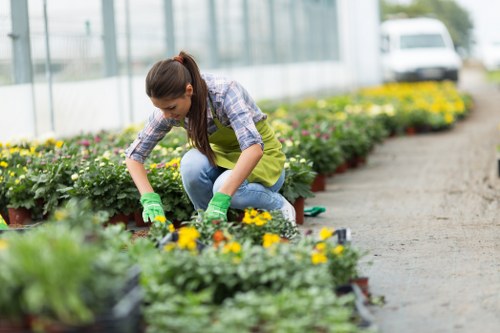
Garden Maintenance Ruislip is committed to creating an eco-friendly waste disposal area and fostering a sustainable rubbish gardening area across Ruislip and the wider Hillingdon borough. Our aim is to reduce landfill, increase reuse, and make green spaces healthier for people and wildlife. We combine practical garden care with a clear environmental policy so that every hedge cut, turf lift and pruning session contributes to a circular, low-impact approach.As a specialist in Ruislip garden maintenance, we set measurable goals that push operations beyond simple collection. We have adopted a recycling percentage target of 65% by 2030 for all garden-related materials and associated household recyclables we handle, and aim to keep residual waste to under 10% of total collections. That target covers green waste, soil and compostable material, plus dry recycling streams like plastics, glass and metal recovered during clearances. Transparency is important — we publish annual diversion rates and progress toward our sustainability milestones.
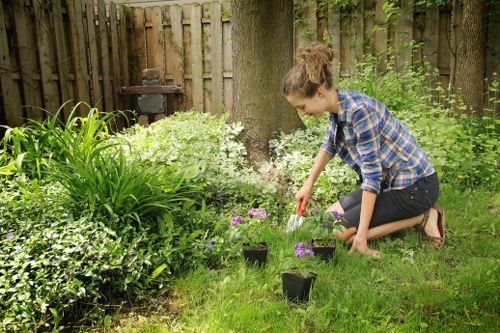 The London Borough approach to waste separation influences how we work: Hillingdon encourages separation of food waste, garden or "green" waste, dry recycling (paper, card, plastics, glass and cans) and residual waste. In practice this means we sort on-site where safe, deliver segregated loads to local transfer stations and borough recycling centres, and follow borough-specific guidelines for composting and hazardous materials. We coordinate with nearby household waste recycling centres and municipal transfer stations to ensure materials are processed by authorised facilities.
What we recycle and how it supports a sustainable rubbish gardening area
We prioritise on-site separation and reuse. Typical recyclable streams we divert include:
- Green waste: grass cuttings, hedge trimmings and leaves for composting and anaerobic digestion;
- Wood and timber: untreated branches for chipping and mulching;
- Soil and hardcore: re-used on-site where safe or processed at authorised transfer stations;
- Dry recyclables: plastics, glass, metal and card separated during site clearances;
- Plant pots and garden furniture: assessed for reuse or donation where possible.
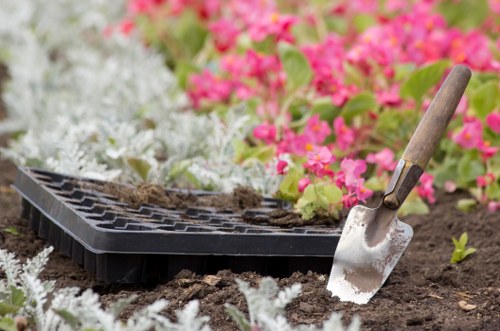 We also work closely with borough waste teams to manage seasonal surges in garden waste (spring and autumn) and to respect local rules about composting versus collection. By matching our operational practices to the borough’s waste separation policies we reduce contamination and enable higher-quality recycling streams.
Partnerships with charities and community reuse
Collaboration multiplies impact. We partner with local community groups and charities — including community gardens and regional environmental charities such as Groundwork London — to redirect reusable items, plants and materials into community projects. Small plants, intact pots and usable furniture are offered for reuse where possible rather than being sent for disposal. These partnerships support social value: compost and mulch produced from collected green waste can be donated to community allotments, and larger recyclable items are assessed for refurbishment and donation. We also work with local volunteers for seasonal planting events that reuse surplus soil, woodchip and plants, turning what would be waste into resources for the neighbourhood.
Local transfer stations and authorised processing
We route separated materials to recognised local transfer stations and authorised recycling facilities that accept garden waste streams and process them responsibly. Where necessary we use licensed soil and aggregate processors for excavation spoil and follow hazardous waste guidance for treated timber and contaminated soils. By using authorised transfer facilities we ensure materials are tracked and handled according to environmental regulations, increasing the likelihood of beneficial reuse.Low-carbon vans and sustainable operations
Low-emission transport is central to our sustainability plan. Our fleet includes electric vans, plug-in hybrids and modern Euro 6 low-emission vehicles. These low-carbon vans, together with route optimisation software and consolidated drop-offs at transfer stations, reduce emissions and traffic impact across Ruislip. We invest in charging infrastructure and driver training to ensure efficient, low-impact journeys.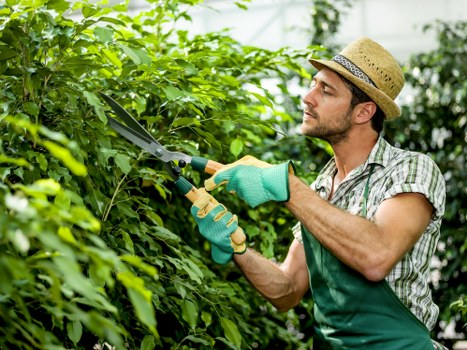 Operational practices extend beyond vehicles: we use electric tools where feasible, favour mulching over removal to cut transport needs, and apply smart scheduling to minimise empty miles. Strong logistics and planning lower fuel consumption and help meet our corporate carbon reduction goals while maintaining high standards of garden care.
In summary, our sustainable garden maintenance approach for the Ruislip area balances practical landscaping with environmental responsibility. Through a clear recycling percentage target, close coordination with borough waste separation policies, partnerships with charities and community projects, responsible use of local transfer stations, and a low-carbon fleet, we are building a greener, more circular approach to garden waste. Garden maintenance in Ruislip can be both beautiful and sustainable — and our policies make every cut, clearance and compost heap part of a long-term plan to protect local green spaces and reduce waste.