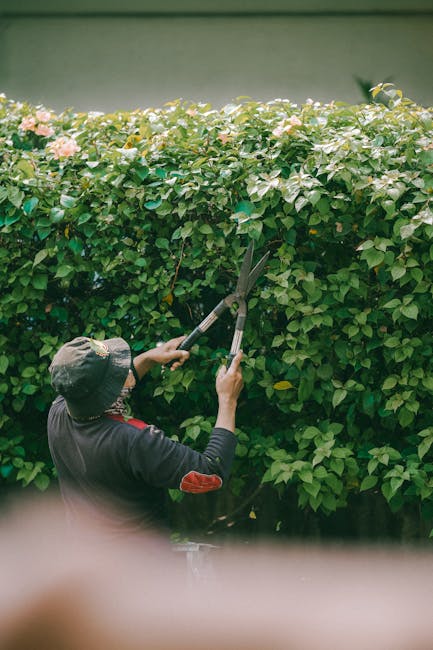
Ruislip gardeners for difficult access properties
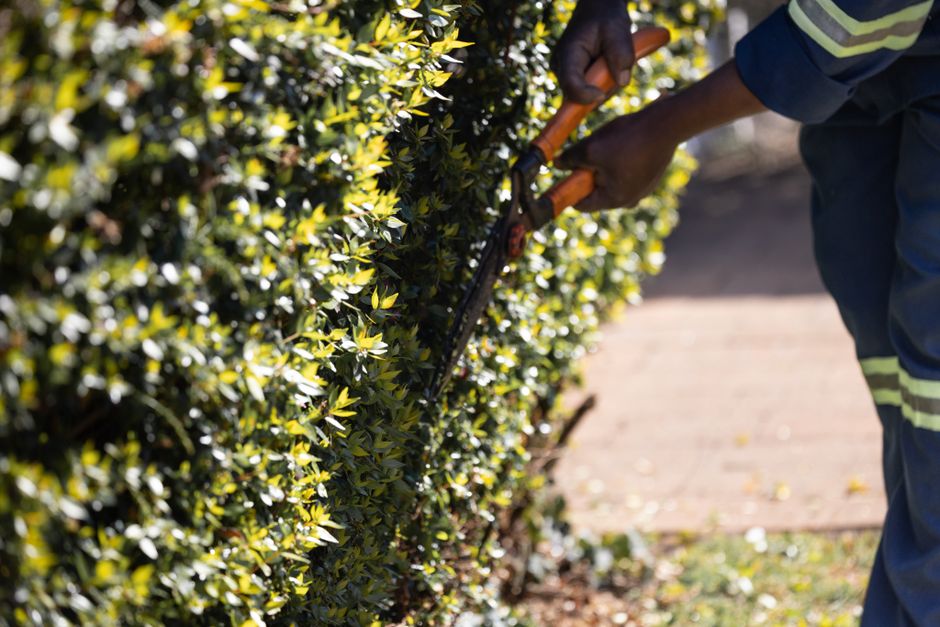
If you live in a home with a narrow side passage, steep steps, a shared entrance, or a garden that seems to have been built in two awkward levels, you already know the problem: getting garden work done is rarely as simple as booking a gardener and opening the gate. Ruislip gardeners for difficult access properties need a different kind of planning, a calmer pace, and the right equipment to work safely without damaging fences, paving, plants, or your neighbour's patience.
This guide explains what makes difficult-access garden work different, how it is approached in practice, what to expect from a professional team, and how to avoid the common headaches that can turn a simple job into a messy one. We will also cover practical steps, comparison points, and a checklist you can actually use. If you have ever looked at your own garden and thought, "How on earth will anyone get a mower back there?" - you are in the right place.
Why Ruislip gardeners for difficult access properties matters
A difficult-access garden is not just a small inconvenience. It changes the way every task is done. Moving a hedge trimmer through a tight hallway, carrying green waste past front doors, or lifting a wheelbarrow over uneven steps can increase the chance of accidents and slow the work down. Even a straightforward lawn cut can become awkward if the mower must be carried rather than rolled.
In practical terms, access affects three things: safety, time, and finish quality. Safety matters because awkward movement is where trips, strains, and knocks happen. Time matters because a job that would normally take one visit may need extra labour, extra care, or a second pass. Finish quality matters because if the crew is rushing between obstacles, the result often looks patchy. Nobody wants that. Let's face it, you are paying for the garden to look better, not for a story about how hard it was to get there.
In Ruislip, properties can vary a lot. Some have long side access. Others have shared paths, tight terrace layouts, basement steps, or rear gardens that can only be reached through the house. A local gardener who understands those conditions can plan ahead, protect indoor flooring if needed, and choose tools that suit the route rather than forcing a one-size-fits-all approach.
For the reader, the real value is simple: you get realistic expectations, less disruption, and a much better chance of the work being done properly on the first visit. That is especially important if you are arranging regular upkeep rather than a one-off tidy-up. If the access is awkward every month, the system has to be awkward-proof as well.
Expert summary: difficult access does not mean garden work is impossible. It means the job must be planned around the property, not just the plants. That small shift makes a big difference.
How Ruislip gardeners for difficult access properties works
Good difficult-access garden work starts before anyone turns up with tools. The first step is usually a discussion about the property layout: where the entrance is, how wide the passage is, whether there are steps, whether machinery can be wheeled in, and how waste will be removed. Those details sound small, but they shape the whole job.
A practical approach often follows a simple pattern:
- Site understanding. The gardener asks about access points, parking, gates, shared paths, and any areas that need protection.
- Task planning. The team decides whether it is a mowing, hedge trimming, clearance, planting, or larger landscaping job.
- Tool selection. Compact tools, hand tools, foldable equipment, or bagged waste removal may be more suitable than larger machines.
- Protection and movement. Floors, walls, corners, and fragile planting are protected where necessary.
- Careful execution. Work is carried out in stages, usually with more manual handling than on a wide-open site.
- Waste handling. Green waste is bundled, bagged, or moved in manageable loads so access routes stay clear.
On some properties, the route in and out matters more than the task itself. A hedge trim can be quick once the tools are in place, but getting clippings out without making a mess can take longer than the cutting. That is normal. It is also why people sometimes underestimate the price or the time needed.
There is also a human side to it. A gardener working through a narrow hallway with muddy boots and a coil of hose is going to need patience and order. A tidy system helps everyone breathe easier. It sounds obvious, but when a property is tight and the weather has been wet, you notice every small decision.
Key benefits and practical advantages
Choosing a gardener who is comfortable with difficult access gives you more than convenience. It can improve the whole experience from the first call to the final sweep-up.
- Reduced risk of damage: careful route planning helps protect walls, gates, windows, paving, sheds, and interior floors if tools must pass through the home.
- Safer working conditions: a team used to tight spaces is more likely to manage lifting, carrying, and manoeuvring properly.
- More accurate quoting: once access is understood, the estimate is less likely to change halfway through the job.
- Better waste removal: clippings, branches, and soil can be handled in stages instead of piled awkwardly near the entrance.
- Cleaner results: a well-managed access route often leads to a neater finish because the team can focus on the garden rather than fighting the layout.
- Less disruption for neighbours: careful timing, quieter methods, and orderly movement can help in shared or terraced settings.
There is also the less obvious benefit of consistency. If you have regular garden maintenance, the same access plan can be reused each time. That means fewer surprises, less explanation, and a smoother experience overall. A bit of repeatable routine goes a long way.
If your garden needs more than simple upkeep, a broader service mix can also help. For example, a project may involve garden maintenance, lawn mowing, or hedge trimming depending on the condition of the space and how easy it is to reach each area.
Who this is for and when it makes sense
This service is a strong fit for several common situations. You may need it if your garden can only be reached through the house, if there is no driveway or rear access, or if the route is too tight for standard equipment. Properties with side gates, basement patios, upper terraces, and multi-level gardens often fall into this category too.
It also makes sense if you are a landlord, letting agent, or homeowner preparing a property for sale. An overgrown garden with awkward access can look worse than it really is, because the access issue makes the job feel bigger. In that setting, a gardener who understands careful clearance and orderly waste removal can make a tangible difference to presentation.
Older residents and people with mobility concerns may also prefer a gardener who can work around their routines, keep pathways clear, and avoid blocking doors for long periods. And if you work from home, you probably do not want a noisy, clumsy disruption running through the hallway at 10:30 on a Tuesday morning. Fair enough.
It is also worth saying that difficult access does not only apply to "small" gardens. Large gardens can have one awkward pinch point that causes the real problem. One narrow corner, one step too many, one gate that sticks in wet weather. The whole site can be affected by a single bottleneck.
For bigger refreshes, it can be useful to combine a maintenance visit with garden clearance, or to discuss broader improvements through landscaping or landscape gardening if the underlying layout is part of the problem.
Step-by-step guidance
If you are arranging work on a property with awkward access, a structured approach saves time and stress. Here is the process that tends to work best.
1. Describe the access clearly
Start with the basics: where the garden is, how the team gets in, whether there are steps, and whether there are width restrictions. If a mower, wheelbarrow, or long tool might struggle, say so early. A good gardener would rather hear the awkward bit up front than discover it while standing in the hallway.
2. Share photos if you can
Photos are often more useful than a long explanation. A few simple pictures of the entrance, side passage, and the garden itself can reveal slopes, tight turns, low branches, slippery surfaces, and other little issues that matter in the real world.
3. Decide what the priority is
Is the job a routine tidy, a one-off rescue mission, or a larger redesign? If the garden is extremely overgrown, the first visit may need to focus on clearance before maintenance can begin. If the layout is the issue, the answer may be some structural improvements rather than repeated short-term fixes.
4. Ask how waste will be handled
Green waste is often the hidden challenge. Trimmings, cut branches, soil, and leaves all need a route out of the property. Ask whether waste is bagged, bundled, chipped, or removed in manageable loads. It sounds boring, but it is one of the biggest factors in how smooth the day feels.
5. Check what protection is included
On tight sites, protection matters. Floor coverings, corner protection, careful stacking, and sensible tool placement can prevent avoidable scuffs or breaks. If access is through a home, that detail deserves attention, not a shrug.
6. Agree the plan and timing
For some jobs, starting early helps reduce disruption. For others, you may want a quieter slot. Either way, get the sequence clear: arrival, access, work stages, waste removal, final tidy. A little clarity at the start can save a surprisingly large amount of annoyance later.
7. Review after the first visit
If the work will repeat, review what went well and what caused friction. Maybe the gate needs propping open more safely. Maybe the path is too narrow for a machine and hand tools are better. Maybe the route through the house needs extra protection. Small adjustments make future visits better.
Expert tips for better results
Here are the sorts of practical ideas that make a real difference on difficult-access properties.
- Keep access routes as clear as possible before the team arrives. Move bins, bikes, plant pots, and loose furniture out of the way where you safely can.
- Choose the right season for heavier work. Wet weather makes narrow passages and steps more awkward, and muddy waste is far less pleasant to move. January and February can be especially unforgiving, to be fair.
- Use compact tools where they suit the task. Hand shears, smaller mowers, folding saws, and lightweight transport bags can be more effective than bulky kit.
- Think in stages. A full garden recovery may need one visit for clearance and another for shaping, planting, or finishing details.
- Protect the route, not just the garden. Many access problems happen on the way to the garden, not in the garden itself.
- Keep communication simple. A quick note about a sticky gate latch or a shared corridor is often enough to prevent problems.
One small but useful habit: walk the access route as though you are carrying something awkward and slightly muddy. You will immediately notice the pinch points. It is amazing what you see when you stop treating the path like an afterthought.
If the garden has structural issues or awkward levels, it may be worth exploring decking services or broader design support through services overview. Sometimes the best long-term fix is not more effort, but a better layout.
Common mistakes to avoid
Most access-related problems are preventable. The trouble is, they are also easy to overlook when you are focused on the plants rather than the route to them.
- Under-describing the access: "It's a bit tight" is not very helpful. Say whether it is a squeeze, a step, a steep slope, a shared entrance, or a walk through the house.
- Assuming standard tools will fit: not every mower, chipper, or barrow belongs in every garden. The wrong kit can waste time or create damage.
- Ignoring waste movement: cutting the garden is one thing; getting the cuttings out is another.
- Booking a complex job as if it were routine: difficult access usually means more labour and care. If you expect a quick in-and-out visit, disappointment tends to follow.
- Failing to protect floors and edges: a scuffed hallway or broken pot can sour an otherwise good job very fast.
- Not planning around weather: a garden that is just manageable in dry weather can become far more awkward after rain.
Another common mistake is treating the access issue like a one-off inconvenience rather than a repeat condition. If you will need work every few weeks or months, the access plan should be built for the long term. Otherwise, you end up solving the same problem every single visit. Which, frankly, is tiring for everyone.
Tools, resources and recommendations
For difficult-access properties, the most useful tools are often the least dramatic. Think compact, adaptable, and easy to carry rather than oversized and showy.
| Task | Useful tool or method | Why it helps in tight access |
|---|---|---|
| Lawn care | Lightweight mower or manual edging tools | Easier to carry through narrow spaces and up steps |
| Hedge work | Smaller trimmers and hand finishing tools | More control near walls, gates, and planting |
| Leaf and debris removal | Heavy-duty bags, tarps, and staged collection | Reduces repeated trips through the access route |
| Overgrowth control | Hand saws, loppers, and sectional cutting | Safer and more precise where large tools are awkward |
| Route protection | Floor coverings and corner guards | Helps prevent scuffs, dirt transfer, and minor damage |
Not every gardener will use the same setup, and that is fine. The point is to match the kit to the property. A compact method may take slightly longer, but it can produce a cleaner, safer outcome.
For homeowners who want ongoing upkeep, pairing regular visits with a sensible payment process and clear quotation structure can make life easier. Pages such as pricing and quotes and payment and security can help explain how that side of the arrangement is handled.
If the site also generates a lot of waste or requires a more environmentally careful approach, it is worth reviewing recycling and sustainability. That is especially relevant where branches, turf, or clippings are being removed from a property with limited access and every bag counts.
Law, compliance, standards and best practice
For this kind of work, the main compliance concerns are usually practical rather than highly technical: safe manual handling, reducing trip hazards, controlling waste movement, and respecting property boundaries. In the UK, professional gardeners and landscapers are generally expected to work sensibly, carry appropriate insurance, and follow strong health and safety practices. Exact duties can vary depending on the job, access arrangements, and whether the work is domestic or part of a larger commercial setting.
On difficult-access sites, best practice usually includes:
- doing a clear pre-visit assessment of the route and hazards
- avoiding overloading carrying routes with waste or equipment
- keeping pathways clean and visible while work is underway
- using sensible lifting and carrying methods
- protecting surfaces and reducing the chance of slips or cuts
- maintaining good communication with the property owner
If you want reassurance about operational standards, it is reasonable to ask about health and safety policy and insurance and safety. You do not need a lecture. Just clarity. That is fair.
Some customers also like to know how a company handles concerns or complaints if something does not go as expected. That is sensible, especially when access is tight and the work involves moving through private spaces. A clear complaints procedure and an accessible company policy page can be reassuring. If accessibility is a priority, the relevant accessibility statement may also be worth a look.
Options, methods or comparison table
There is more than one way to handle difficult-access garden work. The best method depends on the layout, the size of the job, and how often it needs doing.
| Approach | Best for | Pros | Trade-offs |
|---|---|---|---|
| Manual-first maintenance | Small to medium gardens with tight access | Flexible, precise, low risk of damage | Can take longer on larger sites |
| Compact equipment | Regular maintenance where a small machine will fit | Efficient without being too disruptive | May still need manual finishing |
| Sectional clearance | Overgrown gardens with awkward entry points | Controls waste and improves safety | Requires careful staging and planning |
| Design-led improvement | Sites where access is a recurring structural problem | Can reduce future maintenance difficulty | Usually needs a bigger initial conversation |
In day-to-day terms, the question is simple: do you want the garden handled as it is, or do you also want the access problem reduced over time? Those are different goals. A good conversation about the property should make that clear quite early.
Case study or real-world example
Imagine a terraced property in Ruislip with no rear gate, a narrow hallway, and a small back garden that has become heavily overgrown after a wet spell. The homeowner wants a tidy-up, but the garden can only be reached through the house. The path to the rear has a corner where larger tools simply will not turn cleanly.
In a situation like this, the sensible approach is usually to break the job into stages. First, the route is protected and the access is checked. Then the work starts with cutback and clearance in manageable sections rather than trying to strip the whole garden at once. Waste is bagged or bundled so it does not block the hallway. The final stage is the neat finish: edging, a good sweep, and a quick check that the indoor route is left clean.
What tends to surprise homeowners most is not the cutting itself. It is the amount of decision-making around the cutting. Where do the bags go while the work is underway? Which corner should be cleared first so the rest of the site becomes easier? How can the garden be left tidy without repeated trips back and forth through the house? Those little choices matter. A lot.
The result, when done well, is a garden that feels manageable again rather than intimidating. And the customer usually feels a little relieved, if we are honest. That moment when the back door opens and the space looks calm instead of chaotic - that is the point.
Practical checklist
Use this checklist before booking work on a difficult-access property:
- Have I described the access route clearly?
- Have I mentioned steps, slopes, tight gates, or shared entrances?
- Have I shared photos of the route and garden?
- Do I know how waste will be removed?
- Have I asked whether the team uses compact or manual tools where needed?
- Do I need floor or surface protection through the house?
- Is this a one-off tidy-up or ongoing maintenance?
- Does the garden need clearance before routine care can begin?
- Have I checked the provider's safety and insurance information?
- Am I realistic about timing, disruption, and cost?
One more thought: if your property has recurring access limitations, keep a short written note for future visits. It saves you from explaining the same entrance, gate latch, or narrow passage every time. It is a small thing, but small things are the whole game here.
Conclusion
Ruislip gardeners for difficult access properties are not just gardeners who "make it work." They are problem-solvers who understand that the route to the garden can matter almost as much as the garden itself. When access is tight, the right plan protects your home, keeps the work safer, and produces a better finish with less frustration.
If your property has tricky entry points, shared paths, steps, or an awkward route through the house, the best next move is to explain it clearly and ask how the job would be handled from start to finish. That one conversation can save a lot of hassle later. And honestly, it usually does.
Get a free quote today and see how much you can save.
For a company overview or to explore related services, you may also find about us, services overview, and contact us useful.
Frequently Asked Questions
What counts as a difficult access property for gardening work?
Usually it means the garden cannot be reached easily with standard equipment. That might include narrow side passages, steps, shared entrances, rear gardens reached through the house, steep slopes, or tight gates.
Can gardeners work through a house without making a mess?
Yes, if the route is planned properly and the team uses sensible protection. Floor coverings, clean footwear routines, and careful tool movement all help. It is never magic, though; it does require care.
Will difficult access make the job more expensive?
Often it can, because more time, manual handling, and planning may be needed. The exact cost depends on the layout and the work involved, so a clear quote is usually the best way to know.
Should I send photos before booking?
Absolutely. Photos of the entrance, side path, steps, and garden save time and help the gardener judge whether the job needs compact tools, extra labour, or a staged approach.
Is difficult access a problem for regular garden maintenance?
Not necessarily. Once the route and method are set up properly, regular maintenance can become much easier. In many cases, repeat visits are smoother than one-off jobs because everyone already knows the layout.
What if the garden is overgrown as well as hard to reach?
Then the first visit may need to focus on garden clearance before ongoing maintenance can begin. That is a common situation, and it is usually handled in stages rather than all at once.
Do I need to be home during the work?
Sometimes yes, especially if the team needs access through the house or needs to check a route on arrival. For straightforward external access, it may not be necessary, but that should be agreed in advance.
How do gardeners remove waste from a hard-to-reach garden?
Usually by bagging or bundling waste into manageable loads and taking it out in stages. Some jobs also use tarps or collection sacks to keep the route tidy and avoid repeated mess.
What should I ask before hiring a gardener for awkward access?
Ask how they would enter the property, what tools they would use, how waste would be removed, what protection is provided, and whether they carry appropriate insurance. Clear answers matter more than polished sales talk.
Can awkward access be improved permanently?
Sometimes, yes. If the problem is structural, landscaping or redesign work may help. In other cases, the best improvement is simply a better maintenance routine and a more practical tool setup.
Do difficult-access gardens need different health and safety checks?
They usually need more careful checks, yes. The key concerns are trips, lifting, carrying, surface protection, and clear movement routes. That is why experienced planning matters so much.
What is the best first step if I am unsure whether my garden is accessible?
Take a few photos and describe the route in plain language. Narrow, steep, shared, awkward, through-house, or stepped are all useful words. A good gardener will understand what they mean and ask the right follow-up questions.
Sometimes the smallest access detail changes everything. But once that detail is handled properly, the rest tends to fall into place.